It’s been a long time since I’ve enjoyed Malta’s hospitality, but I’m back—not to retrace my steps, but to embrace the history, culture, and especially the friendliness of the local people. We landed and were quickly dispatched to our boutique hotel in Sliema.
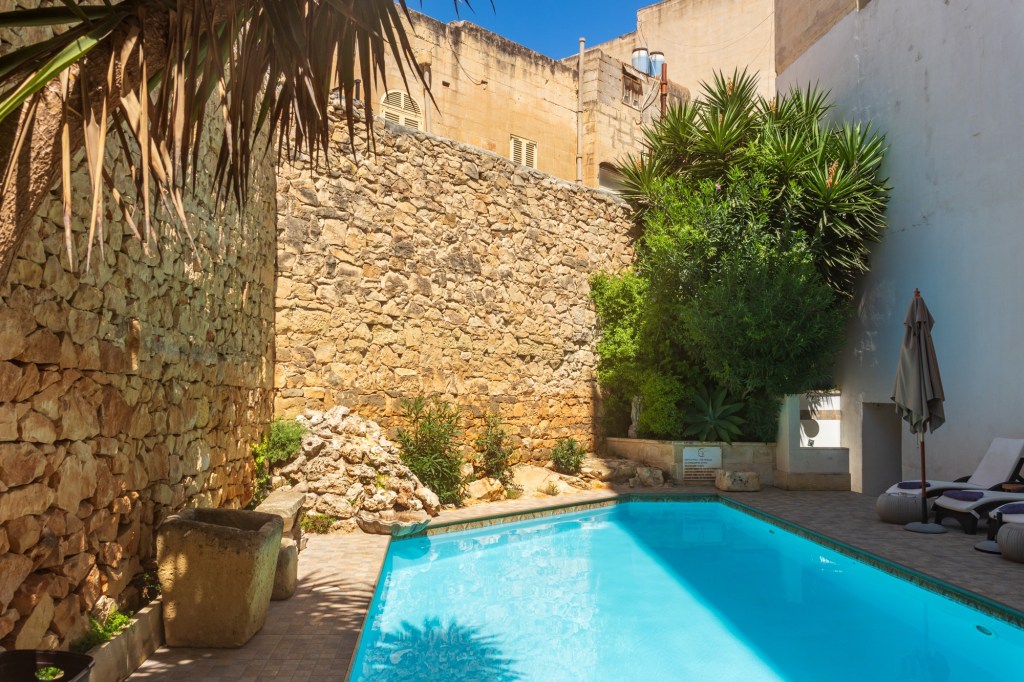
It was a beautifully appointed, small old palace tucked away on a side street. It was also a convenient ten minute walk downhill to the seafront, which I immediately noted, a less convenient, thigh burning, 15 minute walk uphill on the way back.
Malta is absolutely chock-a-block with history, fabulous buildings, and a unique tie with the British. Strategically placed between Europe and Africa, it has been fought over many times, like the last biscuit in the tin. It was governed by Sicily, then handed over to the Knights of St John (the warrior monks) in 1530 after Henry VIII decided he was completely finished with Catholicism, Rome, and having the same wife for too long.
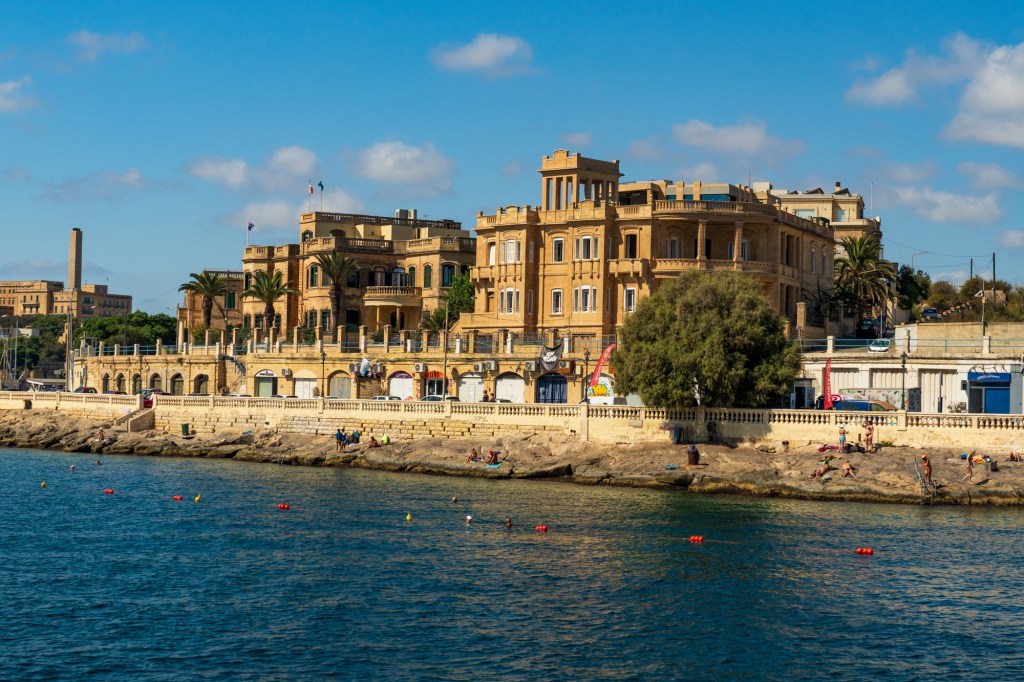
The Ottoman troops tried and failed to take the island, prompting the building of Valletta’s massive harbor fortifications. But by 1798, after nearly 300 years of rule, the Knights had grown a bit lazy and corrupt. When Napoleon turned up, they essentially just handed over the keys. The French were overthrown after two years by a Maltese uprising, and British rule took over from 1800 until independence in 1964. The island’s finest hour came during WWII, when Malta, the most bombed place on Earth, was awarded the George Cross in 1942 for unimaginable bravery and resilience. Proving the Maltese are made of significantly tougher stuff than most.
That’s the history. Now, back to the present.
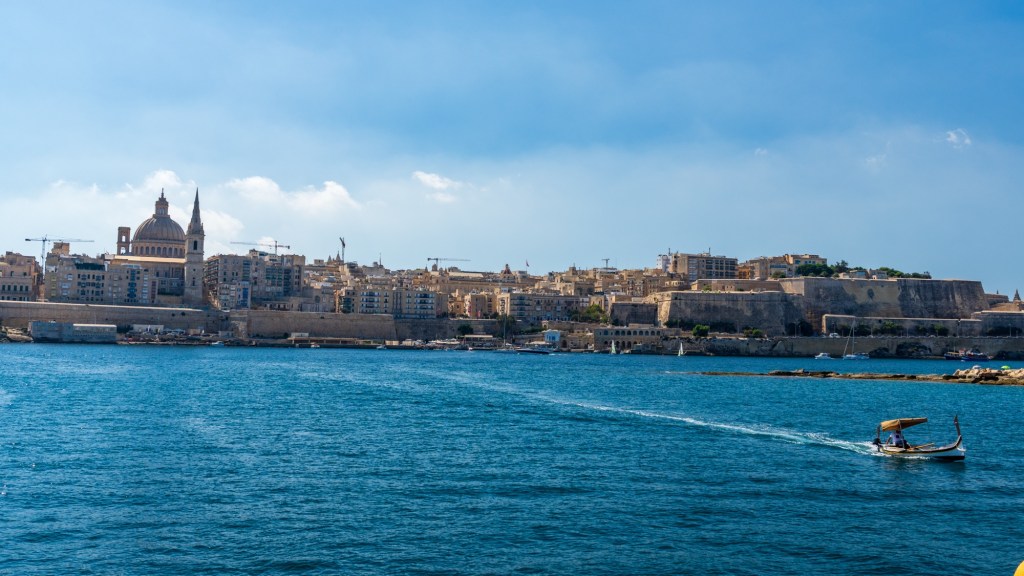
For just five euros return, a charming ten-minute ferry ride across the bay from Sliema to Valletta, the quirky capital.
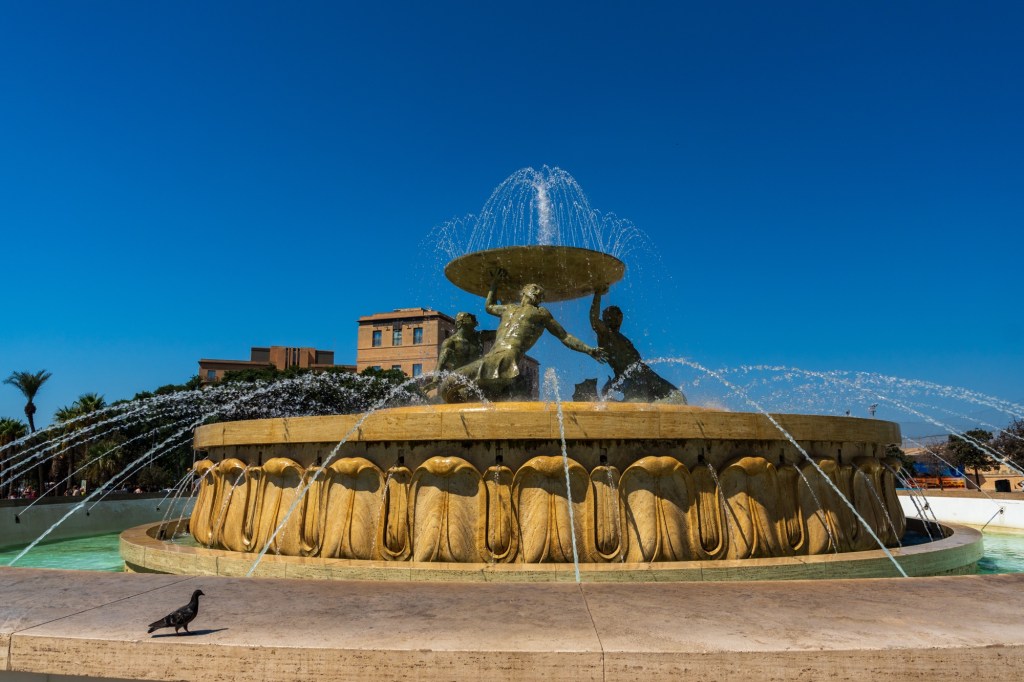
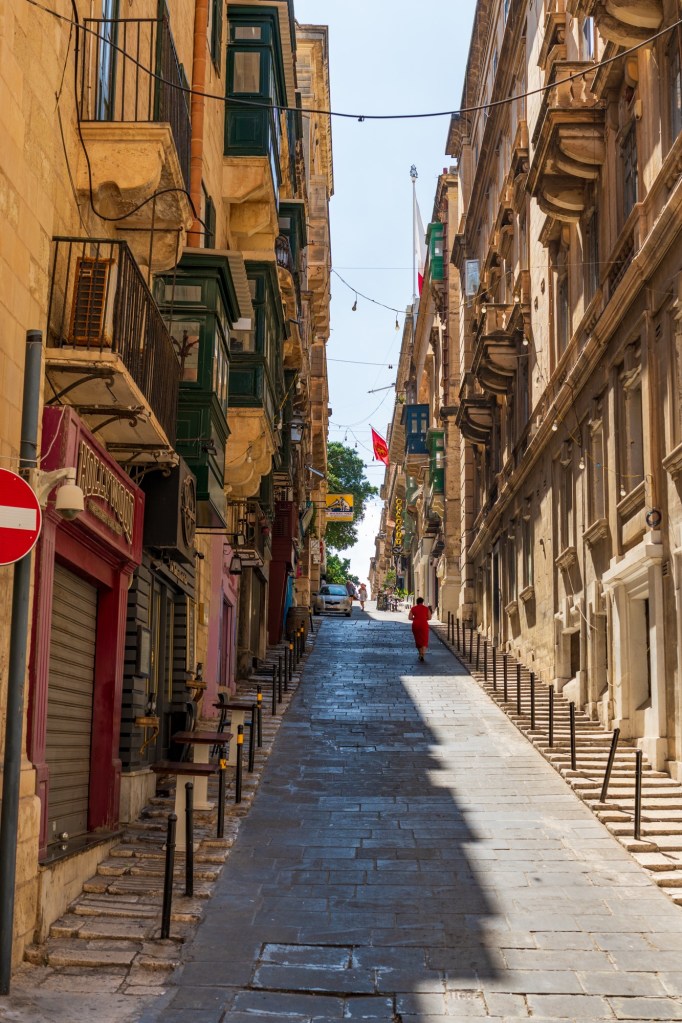
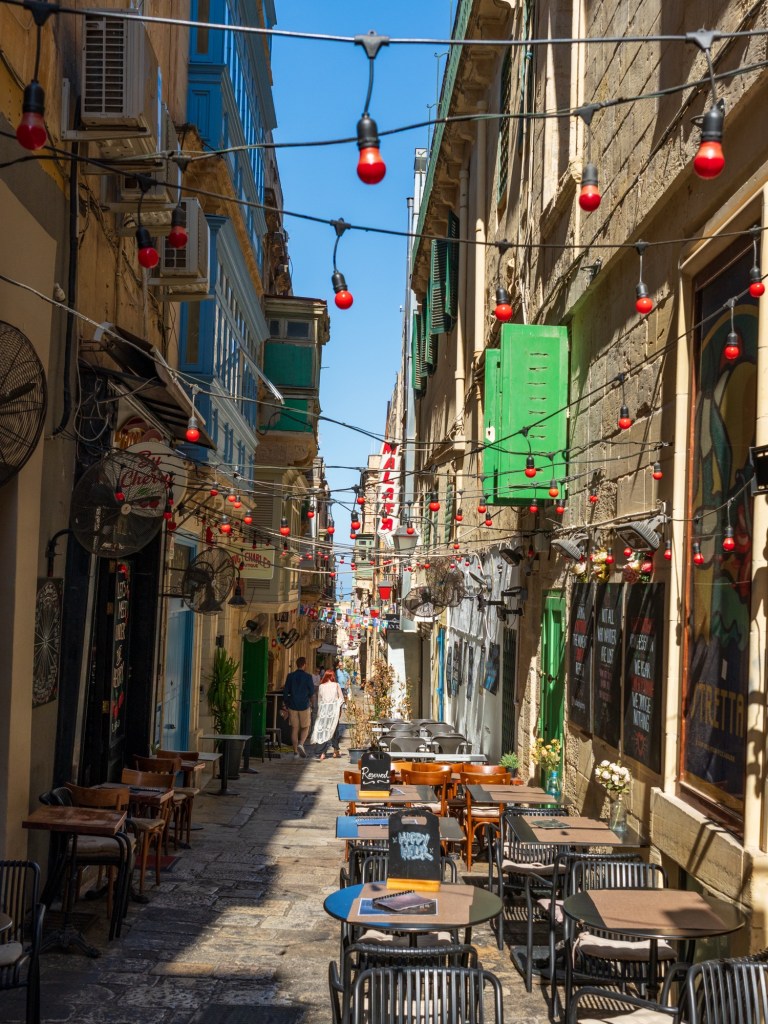
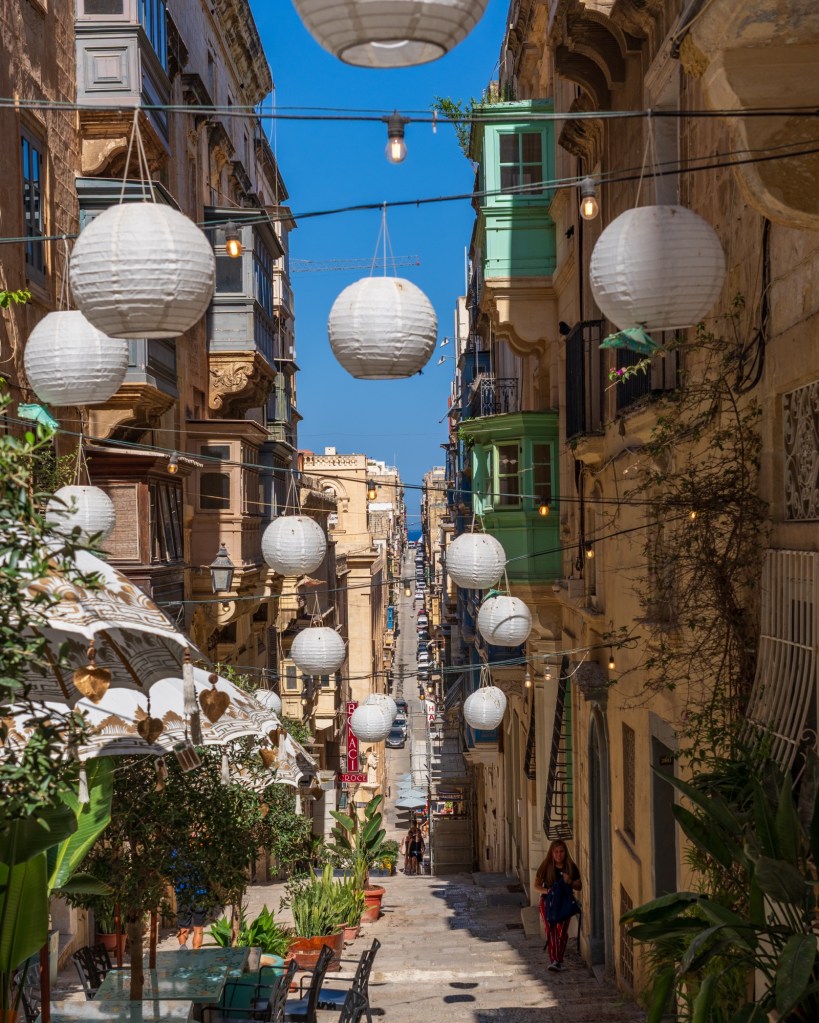
It is incredibly hilly, and I managed to build up enough engine steam walking from the ferry up to the city to power a small cruise liner. The exertion is worth it. The buff-coloured limestone buildings are everywhere, towering church spires, narrow lanes, and endless cafes perfect for people watching.
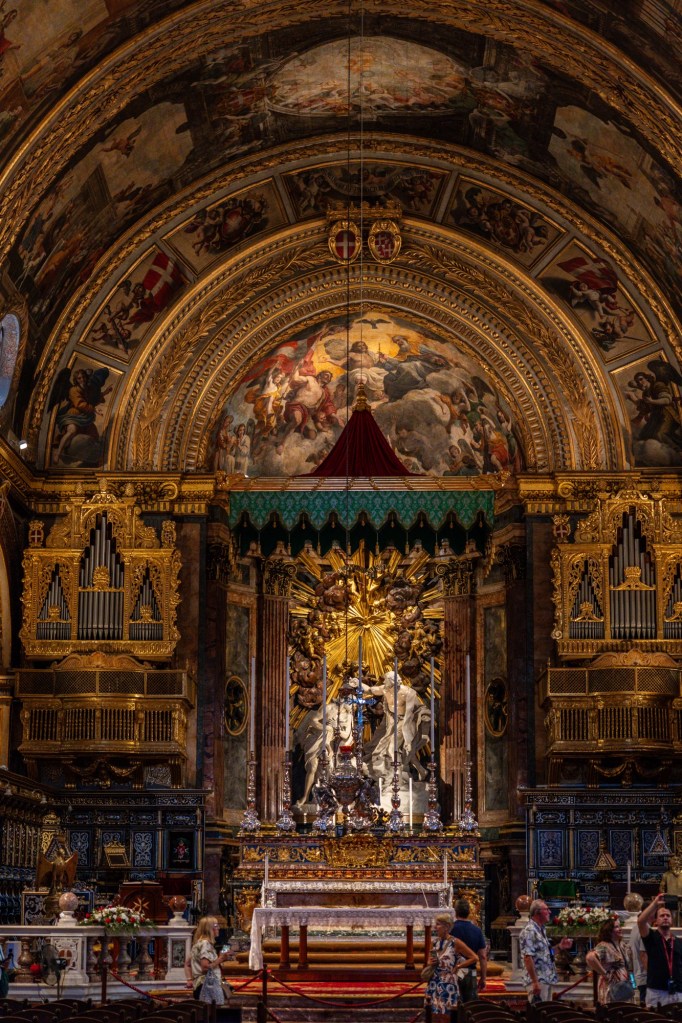
The absolute star of the show is St John’s Cathedral. It houses Caravaggio’s The Beheading of St John the Baptist.
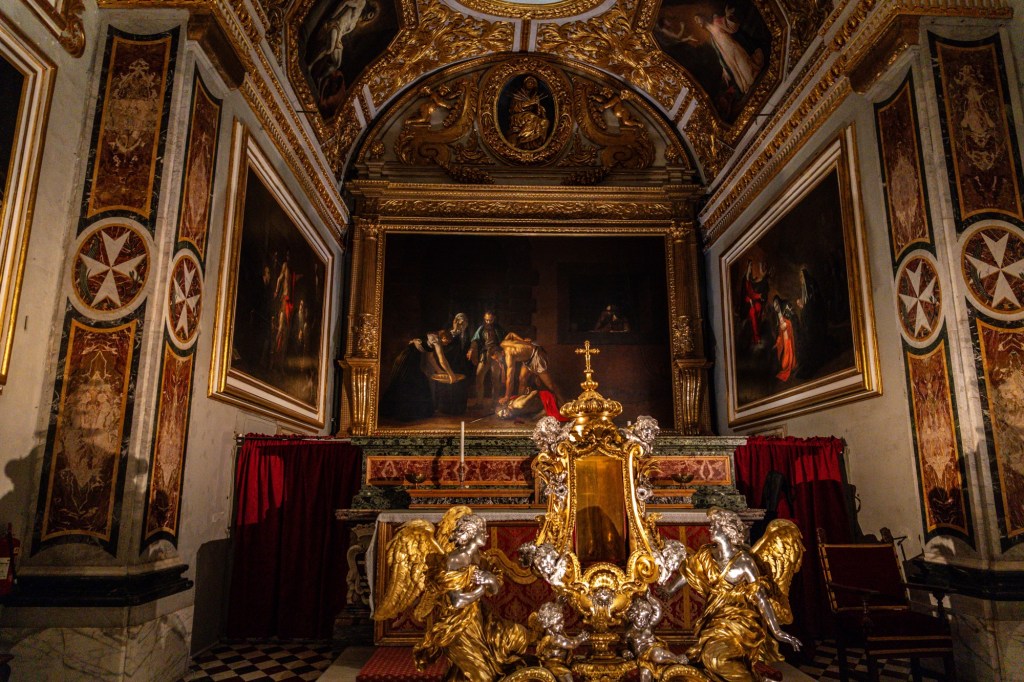
A magnificent painting, massive at 3.6 x 5.2 metres, so big that it makes you wonder how big his easel was.
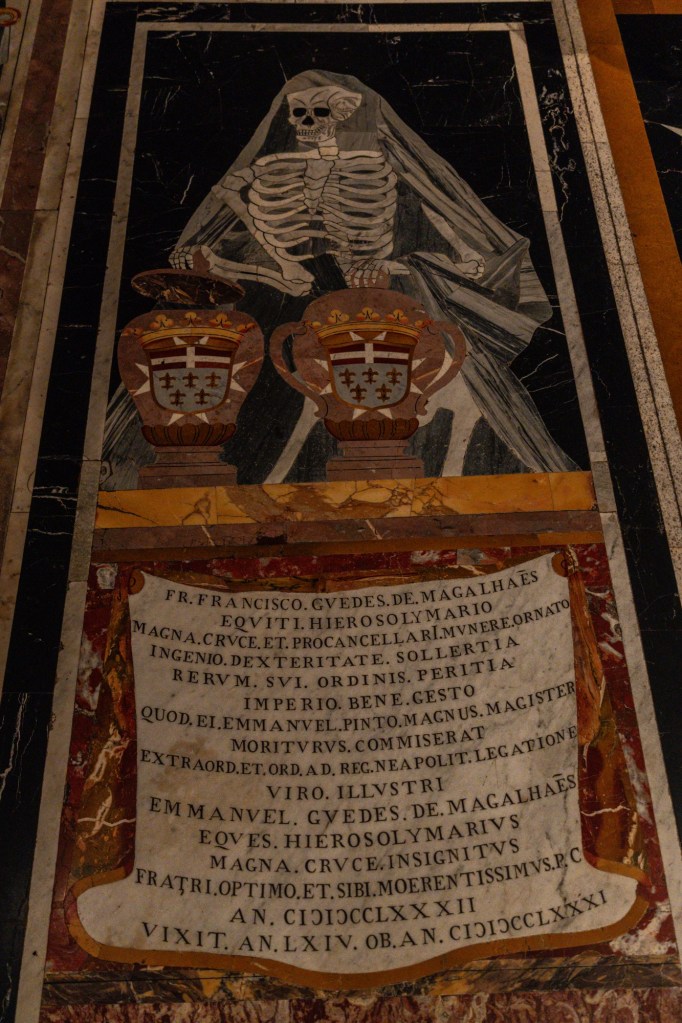
The floor is mind-blowing, completely inset with marble and tombstones of the Knights.
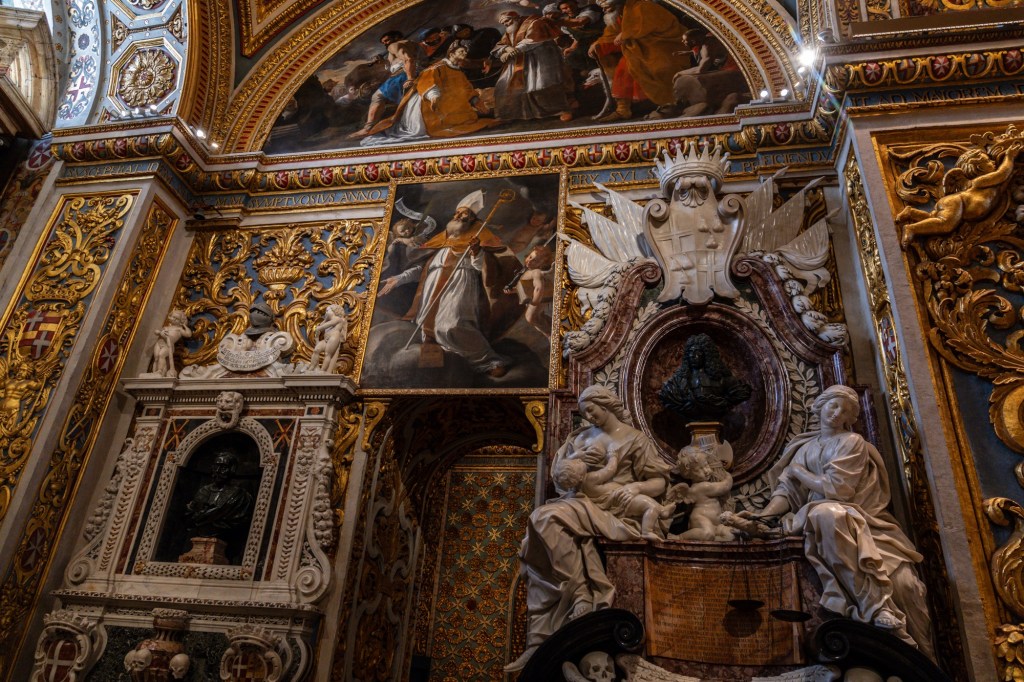
Everywhere you look, there are wood carvings, bronzes, paintings and marble busts. There is so much opulence to take in that it is visually overwhelming, emotional and an absolute must visit.
As Europe goes, Malta is incredibly reasonably priced for food and accommodation. You can eat everything from fresh seafood and Italian to Middle Eastern and most other cuisines.
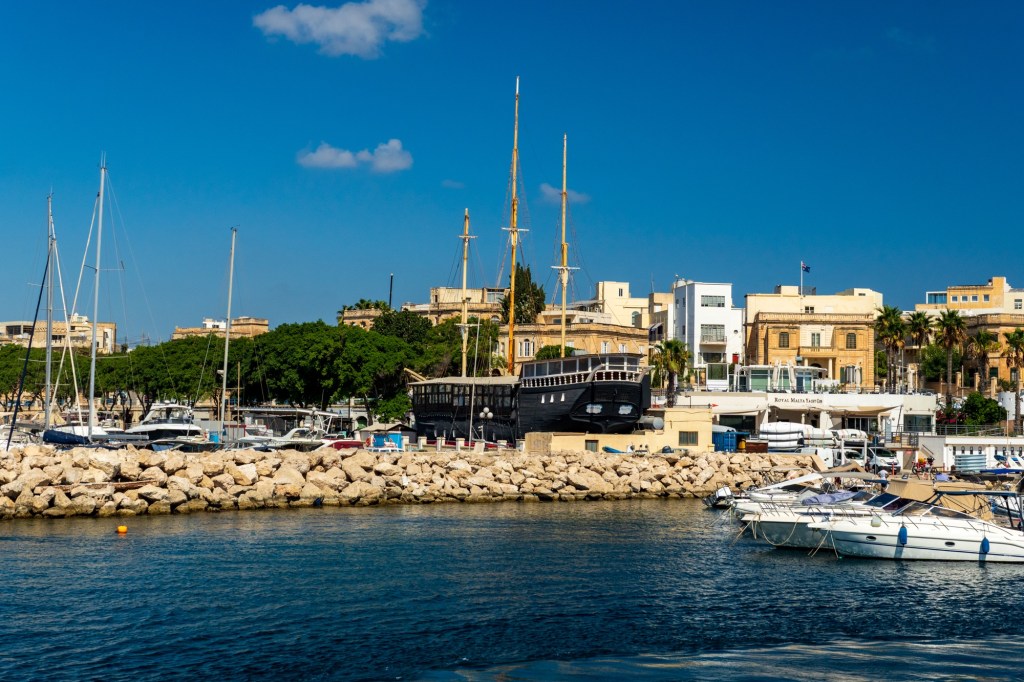
To make the most of it, we hired a recommended local driver who knew the history of Malta inside out. He took us to the Three Cities (Birgu, Senglea, and Cospicua), which sit across the harbour from the Upper Barrakka Gardens, a great viewpoint. They still fire a cannon from the nearby fortifications every day at 12.
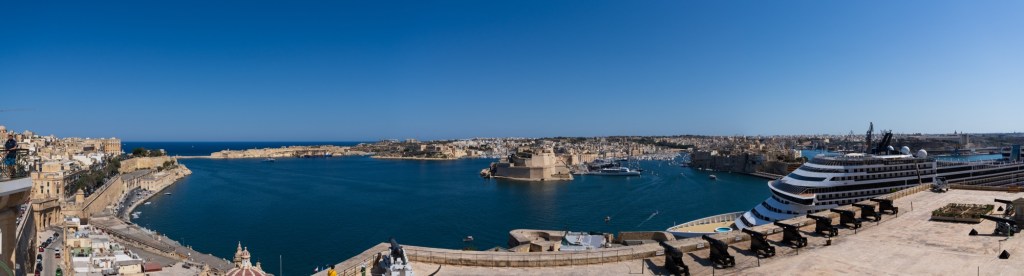
These three cities are older and more authentic than Valletta, filled with narrow streets, old shipyards, harbours full of boats and lots of history.
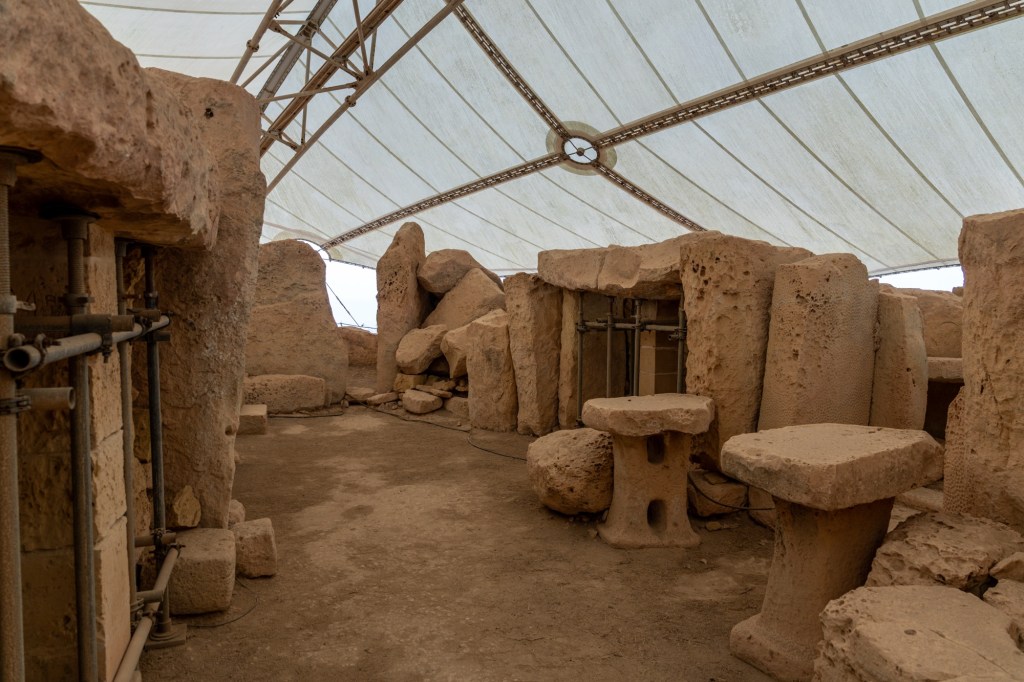
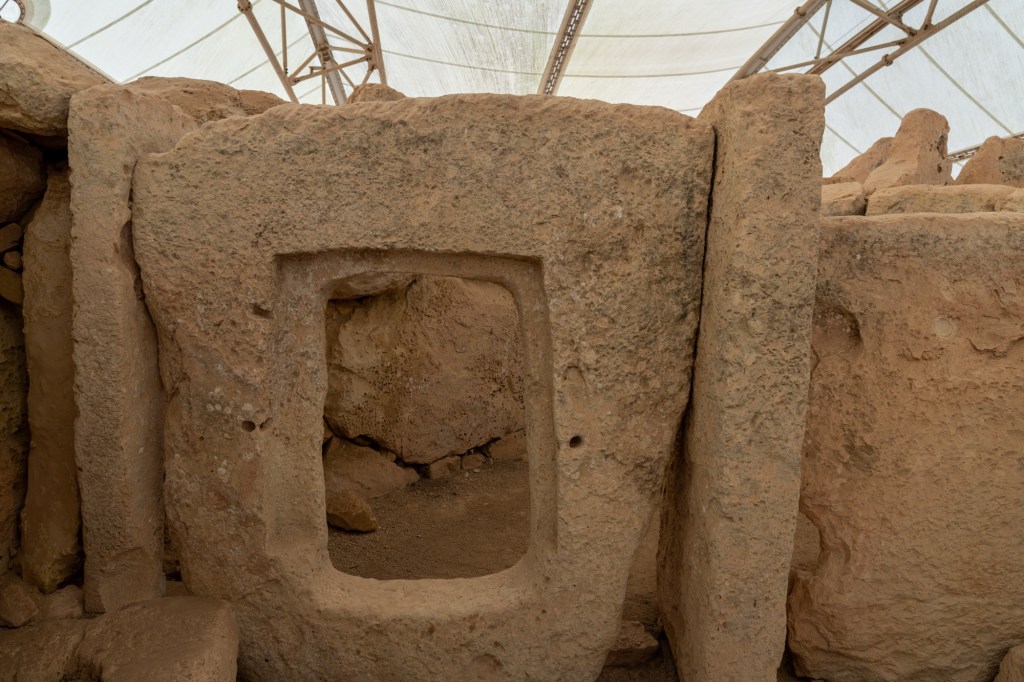
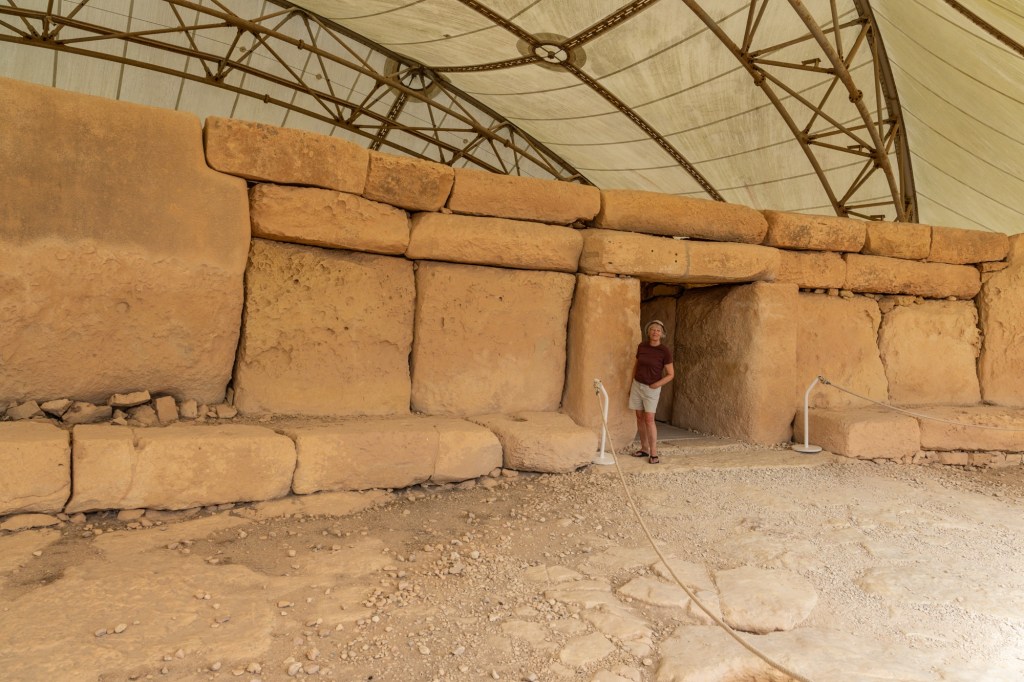
We also visited Hagar Qim and Mnajdra, two cliffside megalithic temples that are over 5,500 years old—making them older than the Egyptian pyramids. The stones are massive. Considering they had no metal tools, how they managed to cut perfect square holes into solid stone is a total mystery. My respect for these ancient engineers is boundless.
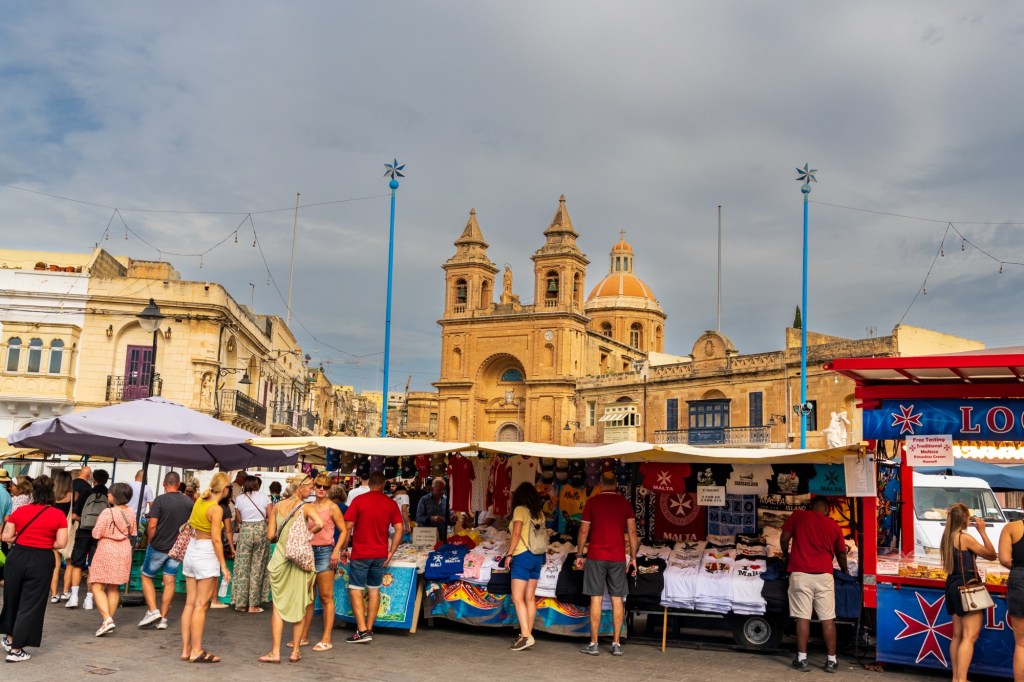
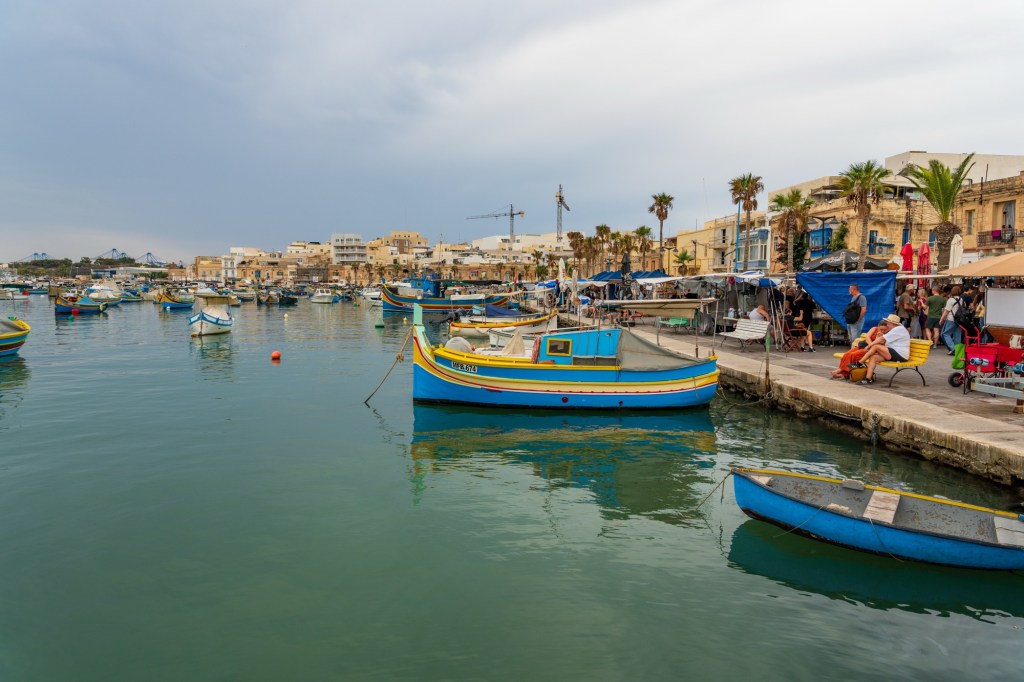
We stopped in Marsaxlokk a fishing village with a market on the harbour edge. The brightly painted Maltese small boats called Luzzo bobbing on the sea and the colourful market add to the charm.
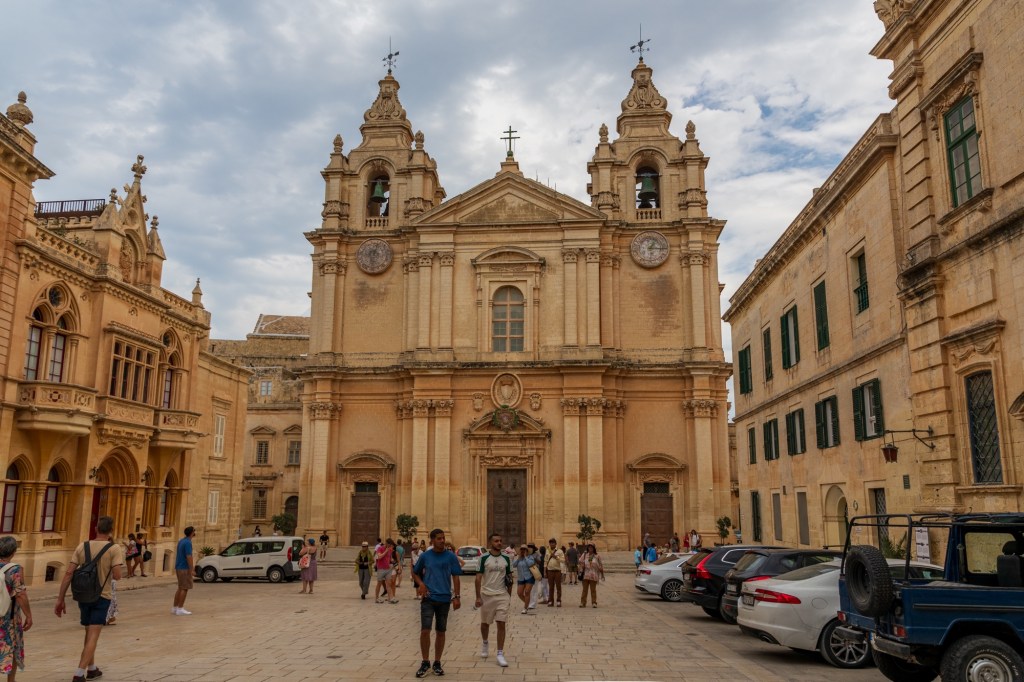
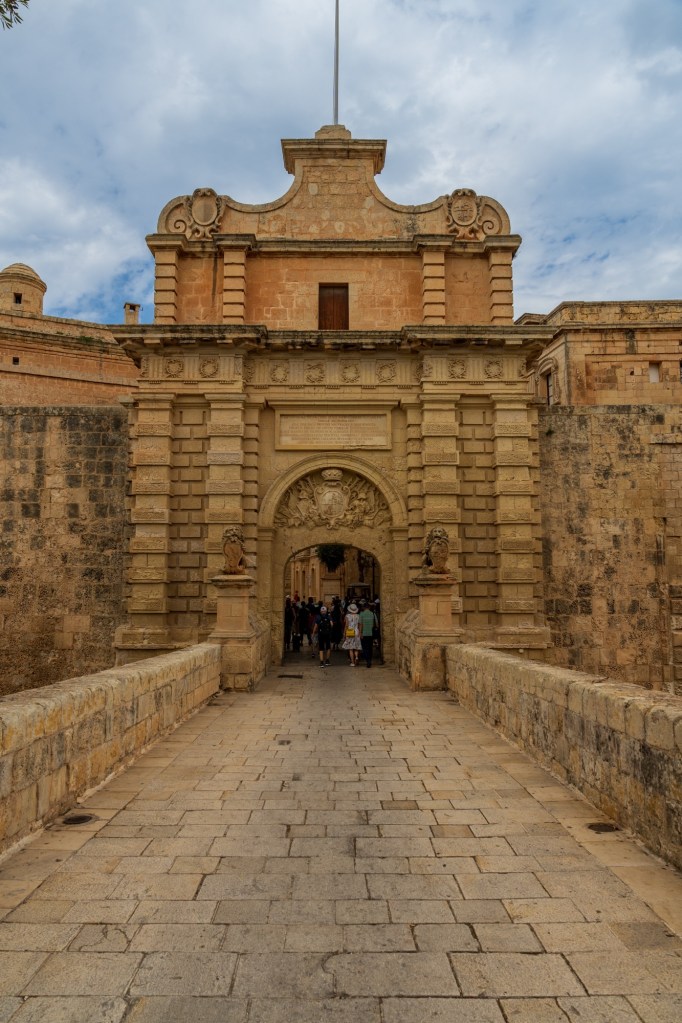
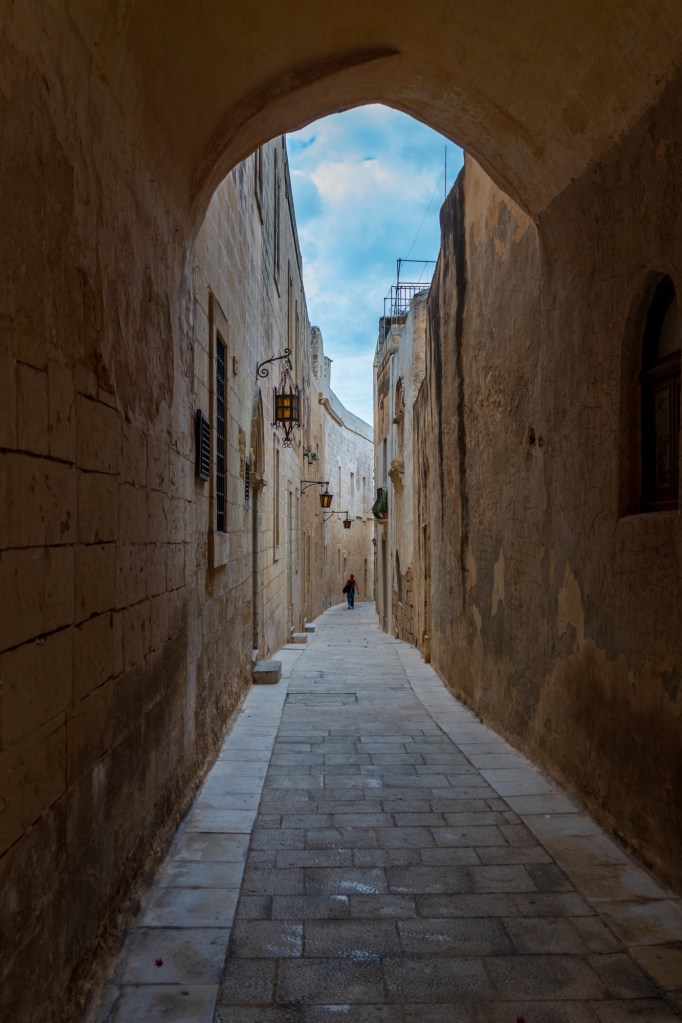
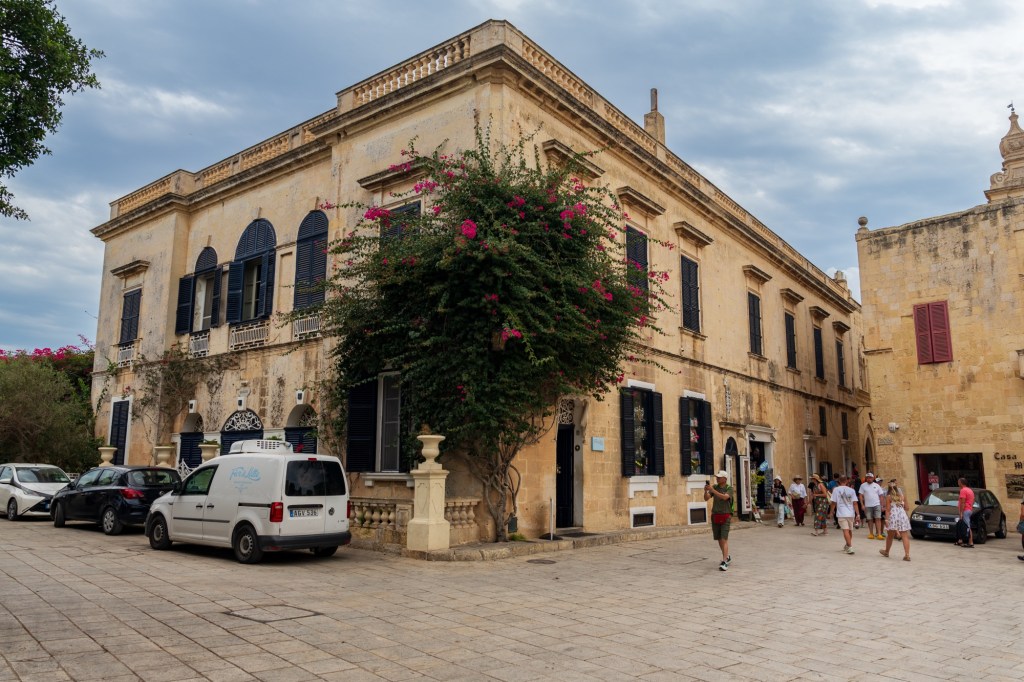
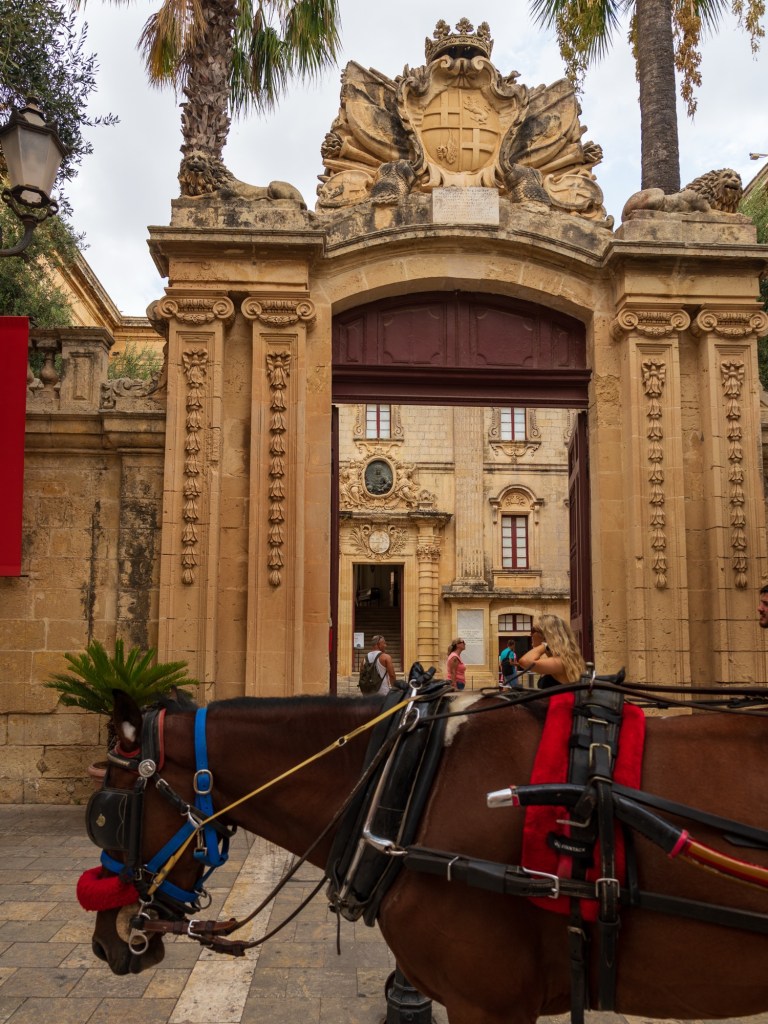
Mdina, the silent city was used as a set for Game of Thrones and you can see why. Beautiful squares and buildings, a medieval masterpiece. Palaces, now restaurants, a Mecca for all the the posing Instagrammers
Getting around Malta is incredibly easy. It’s not more than an hour from one end to the other. The buses are plentiful, and go all over the island. Best of all, you can get a weekly all-inclusive bus pass for just 21 euros, which is the best bargain since the French got Malta for free in 1798.
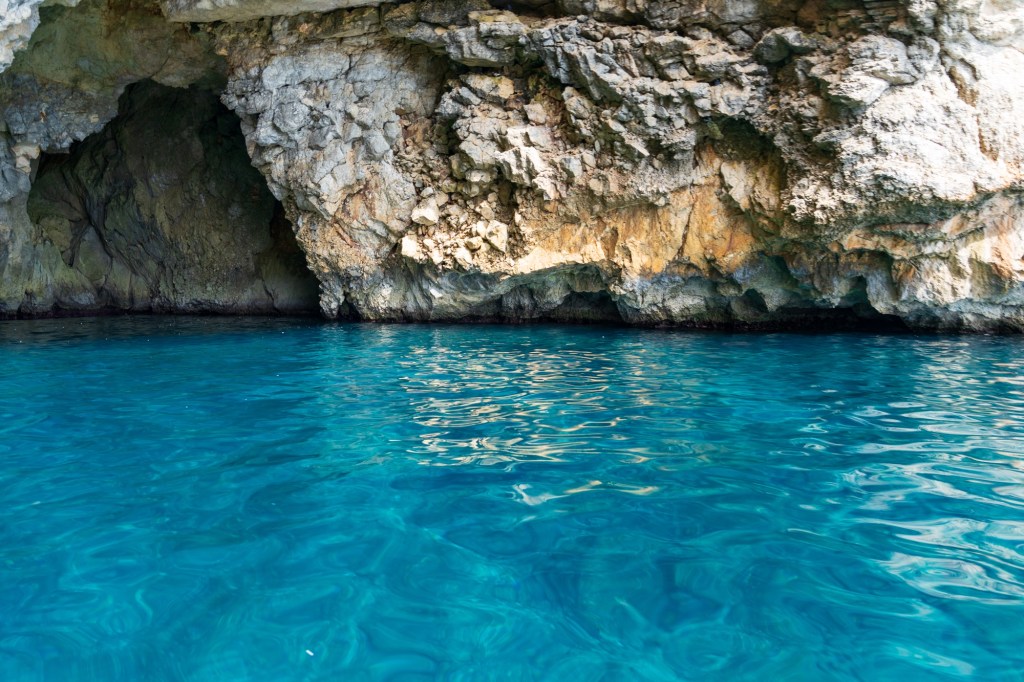
If Malta isn’t on your travel list yet, it really should be.


Beautiful! Another one to add to my bucket list. Assuming we can pry ourselves out of this little village we’re in now 😊
LikeLike